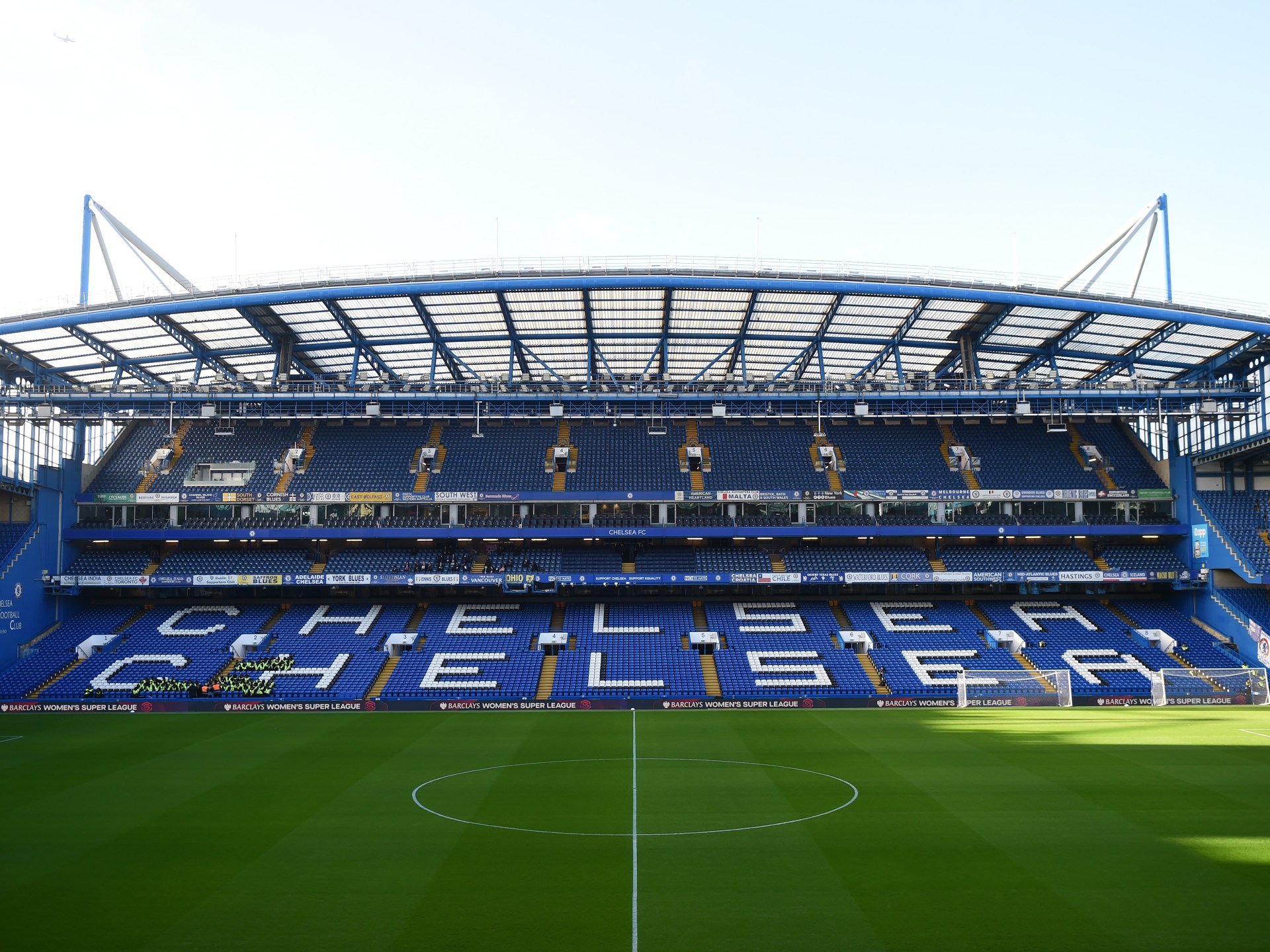
“Not him again.” Chelsea fans are in a state of absolute meltdown tonight after the Premier League officially confirmed the match officials for tomorrow’s clash with West Ham. Despite the momentum from the Napoli win, the ‘official announcement’ has been labeled a disaster for Liam Rosenior’s men. If you know the history between Chelsea and this specific referee, you know exactly why the fans are already fearing the worst, London World reports.
The Official's Shadow: Why a Single Name Has Cast a Pall Over Chelsea's Momentum

The roar of triumph from a seismic European victory at Stamford Bridge has scarcely faded, yet the atmosphere among the Chelsea faithful has undergone a jarring, deflating shift. The catalyst? Not a fresh injury crisis, nor a damning tactical report, but a routine Premier League administrative update. Tonight, the confirmation of the match officials for Saturday’s pivotal London derby against West Ham United has triggered what can only be described as a state of **”absolute meltdown”** within the fanbase, transforming burgeoning optimism into a well of familiar, bitter dread.
The Premier League’s **”official announcement”**—typically a dry, logistical footnote—has been received not as a formality, but as an **”unmitigated disaster.”** The source of this visceral reaction is distilled into a single, groaned phrase now echoing across social media and supporter forums: **”Not him again.”**
This collective shudder stems from a deep and painful history, a catalogue of contentious decisions, aggrieved memories, and a perceived pattern of misfortune that has become inextricably linked with one specific referee. While the official’s name is not explicitly stated in the report, the implication is clear enough to have every Chelsea fan scanning the announcement with a sinking heart. For the Blues, this isn’t just any official; it is *that* official—the arbiter associated with denied penalties at critical moments, with disputed red cards that changed games, with a series of high-stakes matches where Chelsea felt decisions consistently, and perhaps inexplicably, ran against them.
The timing of this appointment feels particularly cruel. **”Despite the momentum from the Napoli win,”** Chelsea had hoped to harness a surge of belief and unity as they push for vital domestic points. Instead, that hard-earned momentum has been instantly undercut by a psychological blow delivered from the league’s headquarters. The focus has violently shifted from the heroes of Naples to the specter of past injustices, from tactical preparation to anxious speculation about fairness.
The report from *London World* encapsulates the fatalistic sentiment now pervading SW6: **”If you know the history between Chelsea and this specific referee, you know exactly why the fans are already fearing the worst.”** This history is not a statistical anomaly to be debated; it is an emotional scar, a shared trauma within the supporter consciousness. It is the memory of a goal disallowed, a stonewall penalty waved away in the dying minutes, or a soft second yellow that tilted a derby’s balance. It is the feeling of walking onto the pitch already one step behind, not because of the opponent, but because of the man in the middle.
The Rosenior Conundrum: Managing the Mental Game
For manager Liam Rosenior, this presents an immediate and unenviable man-management challenge. His task was to channel the Napoli euphoria into a focused, aggressive performance against West Ham. Now, he must also combat a pervasive sense of pre-match injustice and victimhood brewing among his own supporters, which can subtly poison the atmosphere and even seep into the players’ mindset. His press conference will now be dominated not by questions about tactics, but about navigating this “history.”
A Test of Mentality On and Off the Pitch
Tomorrow’s match, therefore, becomes a dual test. On the pitch, it’s a battle against a stubborn West Ham side. But from the first whistle, it will also be a psychological duel with history and perception. Every 50/50 challenge, every marginal offside call, every tussle in the box will be magnified through the lens of this fraught history. The players must block out the noise and the fear, while the fans will watch every gesture from the official with a simmering, hyper-critical anxiety.
Conclusion: An Unwanted Narrative Hijacks the Build-Up
In the modern game, where marginal decisions are dissected endlessly and narratives are powerful, the appointment of this particular official has effectively hijacked Chelsea’s build-up. It has replaced talk of momentum with talk of conspiracy, of hope with fear. The Premier League, in its quest for impartial rotation, has inadvertently stirred a hornet’s nest of collective memory.
For Chelsea fans, the beautiful uncertainty of football has been replaced, hours before kick-off, by a grim sense of foreseen injustice. They don’t just fear David Moyes’s West Ham; they fear the weight of history, the ghost of past whistles, and the man whose very presence has the power to make a stadium of thousands utter, in unified despair, **”Not him again.”** The true test at Stamford Bridge tomorrow may not be of skill, but of the ability to overcome a shadow cast not by the opposition, but by the league itself.
